Planning a cruise is an exciting adventure. The anticipation of exploring new destinations is thrilling. But what happens when your cruise gets cancelled?
Cruise cancellations can occur for various reasons. When a cruise is cancelled, it's important to know your rights. Familiarize yourself with why cruises are cancelled (weather, mechanical issues, global events) and the cruise line’s policies help set expectations for refunds, credits, and communication.
Act quickly: contact customer service, review compensation, document everything, and explore rebooking or alternative plans. Coordinate changes to flights, hotels, and tours, and leverage travel insurance coverage and deadlines to recover costs. Stay patient but persistent with customer service and monitor official channels and alerts for timely updates.
Why Cruises Get Cancelled: Common Reasons and Trends
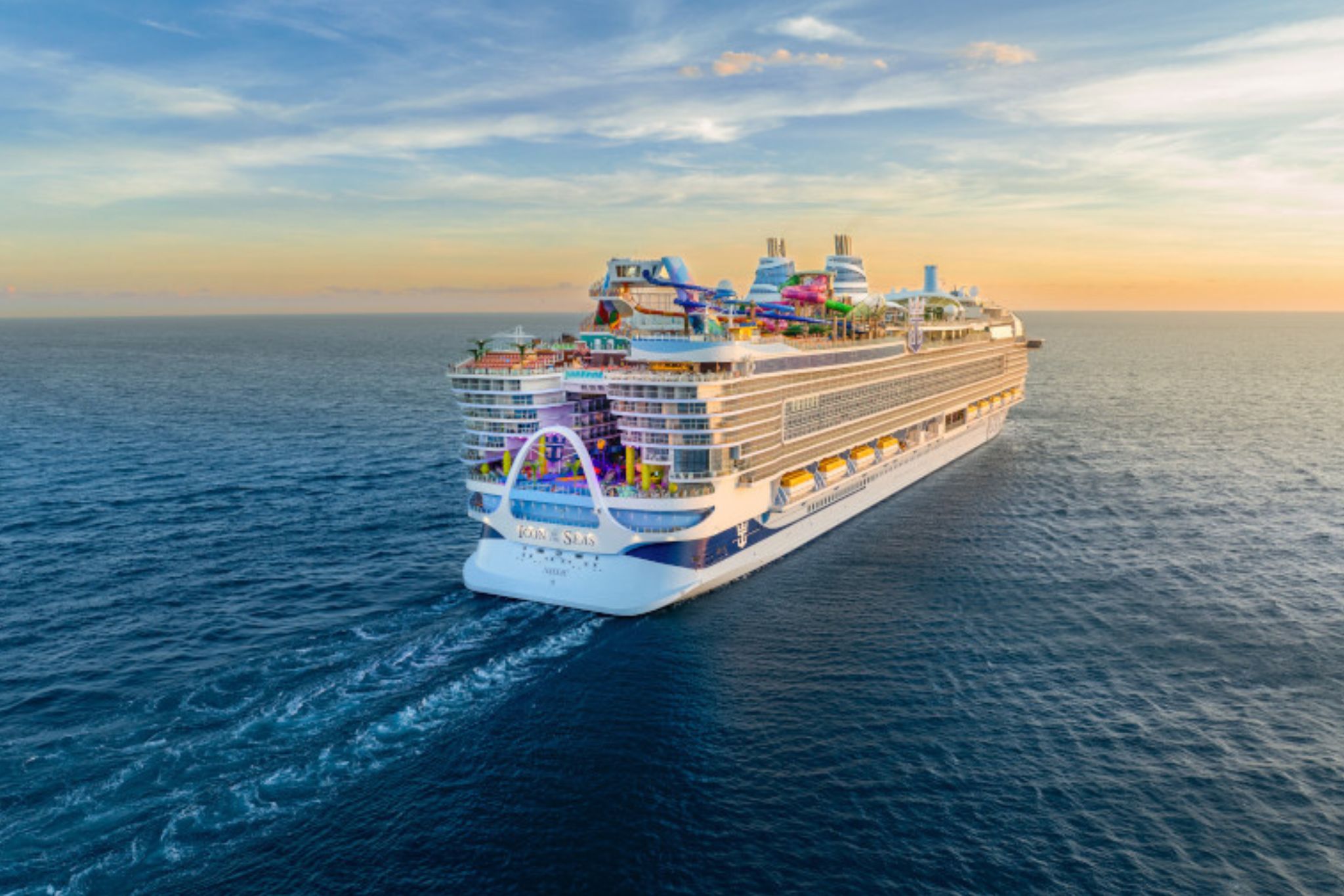
Cruise cancellations can occur without warning. One major cause is severe weather. Hurricanes and storms can make sailing dangerous. Safety is always the top priority for cruise lines.
Mechanical issues can also lead to cancelled cruises. A ship requires regular maintenance. Sometimes unforeseen problems can disrupt plans.
Global events, such as pandemics, may affect cruise schedules. External factors beyond control can impact large operations. This can lead to unfortunate cancellations.
Overbooking or operational adjustments might also cause changes. Though rare, these internal decisions can affect passengers. Proactive communication from cruise lines is essential.
Let's summarize the common reasons:
- Severe weather conditions
- Mechanical problems
- Global events (e.g., pandemics)
- Overbooking or operational issues
Recognizing these trends helps set realistic expectations. While disappointing, cancellations are sometimes unavoidable. Preparing for these situations can make the experience smoother. Knowing the root causes of cancellations allows travelers to plan smarter, ensuring a ready response when disruptions arise.
Understanding Cruise Line Cancellation Policies
Knowing a cruise line's cancellation policy can save you time and stress. Each company has specific rules and procedures. It's crucial to familiarize yourself with these details before booking.
Cancellation policies outline what happens if a trip is cancelled. They include information about refunds, credits, and rebooking options. Many lines offer some form of compensation for affected travelers.
Always read the fine print related to cancellations. Some policies might include exceptions or conditions that affect compensation. This knowledge can prevent surprises.
Most cruise lines provide a timeframe for notifying passengers. Understanding how and when you will be informed is important. Prompt communication plays a key role in your travel plans.
Refund options can vary widely. Some companies offer full refunds while others provide partial refunds or future cruise credits. Understanding what is available helps manage expectations.
Here's what to check in a policy:
- Refund conditions and eligibility
- Compensation offered
- Notification procedures
- Exceptions and special conditions
Be proactive in understanding these terms. If any clause seems unclear, reach out to customer service. Knowledge is your best ally when plans go awry.
Your Rights and Options After a Cruise Cancellation

When a cruise is cancelled, knowing your rights is crucial. Passengers often wonder about their entitlements and options. Familiarity with these can ease the stress of unexpected changes.
Firstly, cruise lines should offer a compensation package. This could include future cruise credits or refunds. Understanding what's on offer helps you plan your next steps effectively.
Passengers can also request additional compensation if they incur extra costs due to a cancellation. These can include unexpected hotel stays or other travel-related expenses. Don't hesitate to inquire if these apply.
You have the right to clear and timely communication from the cruise line. Prompt updates should inform you of cancellations and the available options. This transparency is a crucial part of customer service.
Make sure to document all interactions with the cruise line. Record offers, communications, and expenses incurred. These documents can prove invaluable for claims or disputes in the future.
Here's a handy checklist of rights and options to remember:
- Compensation offers (refunds or credits)
- Additional expenses coverage
- Clear communication channels
- Documentation for records and claims
- Prompt response from customer service
Arming yourself with this knowledge ensures you make informed decisions quickly. This preparation minimizes frustration and delays in addressing a cancelled cruise scenario.
Navigating the Refund and Compensation Process
Once a cruise is cancelled, securing your refund becomes a priority. The process can seem daunting, but breaking it down helps. Start by reviewing the specific policies of the cruise line.
Each cruise line has unique guidelines. Some offer easy refunds, while others focus on future cruise credits. Understanding these distinctions ensures you know what to expect.
Contacting customer service early is crucial. Speak with a representative to clarify your compensation options. They can provide details and help you navigate the process.
Being organized is key. Keep all necessary documents at hand, including booking confirmations and cancellation notices. These records facilitate a smoother transaction and quicker resolution.
Sometimes, delays in receiving compensation are inevitable. High demand or administrative backlogs can slow down the process. Patience is necessary, but persistence is equally important.
Here's a quick action list for managing refunds:
- Review: Check the cruise line's refund policy.
- Contact: Speak directly to customer service.
- Document: Keep all paperwork organized.
- Follow Up: Regularly check on your claim status.
- Verify: Confirm receipt of any refunds or credits.
By following these steps, you'll handle the refund process with confidence and avoid unnecessary stress.
Travel Insurance and Cruise Cancellations: Are You Covered?

Travel insurance often provides a safety net when dealing with cancelled cruises. It's important to know what your policy covers. Not all travel insurance plans include cruise cancellations, so reading the fine print is crucial.
If your policy includes cruise trip cancellations, check what types of disruptions are covered. Some policies cover weather-related cancellations, while others may cover mechanical issues or health emergencies. This can greatly impact your compensation options.
Reach out to your insurance provider promptly when a cancellation occurs. They can guide you through the claims process and clarify any documentation needed. Being proactive can speed up claim handling significantly.
Consider these key points when evaluating your travel insurance:
- Coverage Scope: Understand what disruptions are included.
- Documentation: Keep all receipts and records for your claim.
- Claim Process: Know how and where to submit a claim.
- Deadlines: Be aware of any time limits for filing.
With a clear understanding of these factors, you can better protect yourself against financial losses from unexpected cruise cancellations. Always remember to review your insurance details before booking any cruise.
Rebooking, Alternatives, and Making New Plans
When a cruise gets cancelled, the first step is to assess your options for rebooking. Many cruise lines offer incentives, such as discounts or onboard credits, to encourage passengers to book another trip. Reach out to the cruise line directly to explore these options.
If rebooking with the same cruise line doesn't appeal, consider alternatives. Other cruise lines might offer similar itineraries. Exploring these options may even lead to a better experience or destination.
Land-based vacations can be an exciting alternative to cruises. This shift can open up a world of new experiences. Domestic destinations often provide rich cultural and culinary adventures.
Here are steps to consider when planning new travel arrangements:
- Check Offers: Look for compensation from the cruise line.
- Explore Alternatives: Consider other cruise lines or vacation types.
- Adjust Itinerary: Be open to changing destinations.
- Use Credits: If offered, apply credits to future travel.
Keeping an open mind and being flexible can turn your disappointment into an opportunity for adventure. Finding new ways to enjoy your time away can create lasting memories despite an initial setback.
Managing Associated Travel Plans: Flights, Hotels, and More

Cancelled cruises can trigger a cascade of travel changes. Your first action should be to review your flight and hotel bookings. Look into change or cancellation policies for these reservations.
Airlines often allow changes with minimal fees if a cruise is cancelled. Contact them as soon as possible to minimize penalties. Some airlines might offer a full refund, especially if their policy aligns with the cruise line's cancellation.
For hotel bookings, reach out to the hotel directly. Sometimes they offer a refund or credit for future stays. If you used a booking platform, check their specific policies for cancellations.
Keep an eye on linked travel services. Transfers, tours, or car rentals could be affected by your change in plans. Verify their flexibility regarding cancellations or rescheduling.
Here's a quick checklist to manage travel changes effectively:
- Flight Changes: Contact your airline for options.
- Hotel Bookings: Review cancellation policies and contact hotels.
- Transfer Services: Verify cancellation terms for tours or transfers.
- Notify In Advance: Act promptly to secure your options.
Managing these details upfront can relieve stress and ease the transition toward new travel plans.
Tips for Dealing with Cruise Line Customer Service
Dealing with customer service can be daunting after cruise cancellations. Keep calm and be prepared to explain your situation clearly. It helps to have all your booking details and any correspondence at hand when you call.
Patience is key, as hold times may be long, especially during widespread cancellations. Staying polite, even when frustrated, can yield better results. Make sure to note the names of representatives you speak with.
Express your concerns and needs succinctly. Be clear about what compensation or alternative you are seeking.
Here's a quick guide to maximize your customer service interactions:
- Stay Calm: Approach with a polite demeanor.
- Be Prepared: Gather all pertinent information beforehand.
- Be Direct: Clearly state your desired outcome.
- Take Notes: Record details from your calls.
These strategies can enhance your experience with cruise line customer service.
Staying Informed and Connected: Resources for Affected Travelers

Staying informed is crucial when handling a cancelled cruise. The cruise line's official website should be your primary source of information. Sign up for newsletters or alerts to receive timely updates.
Social media platforms are also valuable for connecting with fellow travelers. Many cruise lines have active social media accounts where they post updates. Engaging in these communities can provide comfort and advice.
Consider these resources to stay connected and informed:
- Official Websites: Check regularly for updates.
- Social Media Accounts: Follow your cruise line's pages.
- Online Forums: Join discussions with other travelers.
Staying informed helps you make timely decisions and keeps you engaged with the cruise community.
Key Takeaways and Moving Forward After a Cancelled Cruise
Cancelled cruises don't have to ruin your travel plans. Understanding your options helps you navigate these situations smoothly. Stay informed and assertive when seeking compensation.
Consider these key takeaways to manage cruise cancellations effectively:
- Know your passenger rights.
- Keep records of all communications and documents.
- Explore flexible booking and travel insurance options.
Moving forward, plan with flexibility in mind. Focus on alternative travel experiences and stay open to new adventures. This way, you can turn a setback into an opportunity for memorable experiences.
